A standby generator is one of the most dependable investments you can make for your home or business, especially here in the Texas Hill Country where severe thunderstorms, lightning, high winds, and power outages are part of life. But like any piece of mechanical equipment, your generator won’t last forever without occasional service and repairs.

If your standby generator is showing signs that something isn’t quite right, don’t ignore them. Small issues often become expensive repairs—or complete system failures—when left unchecked.

Watch for these common warning signs:

  • Your generator struggles to start or won’t start at all.
  • You notice warning lights or error messages on the controller.
  • The generator makes unusual noises or vibrates excessively.
  • It fails its weekly self-test or shuts down unexpectedly.
  • You smell fuel, oil, or something burning near the generator.
  • The generator isn’t producing consistent power.
  • It has been years since your last professional inspection.

Recognizing these warning signs early can help prevent unexpected breakdowns during the next power outage while extending the life of your investment.

Don’t Wait for Your Generator to Fail

Schedule a professional inspection today and keep your standby generator ready for the next Texas power outage.

MSH Power provides professional standby generator repairs, maintenance, and installation throughout the Texas Hill Country.

As a Briggs & Stratton Platinum Dealer, our team also services Generac, KOHLER, Cummins, and many other standby generator brands, helping homeowners and businesses stay prepared for whatever Texas weather brings.
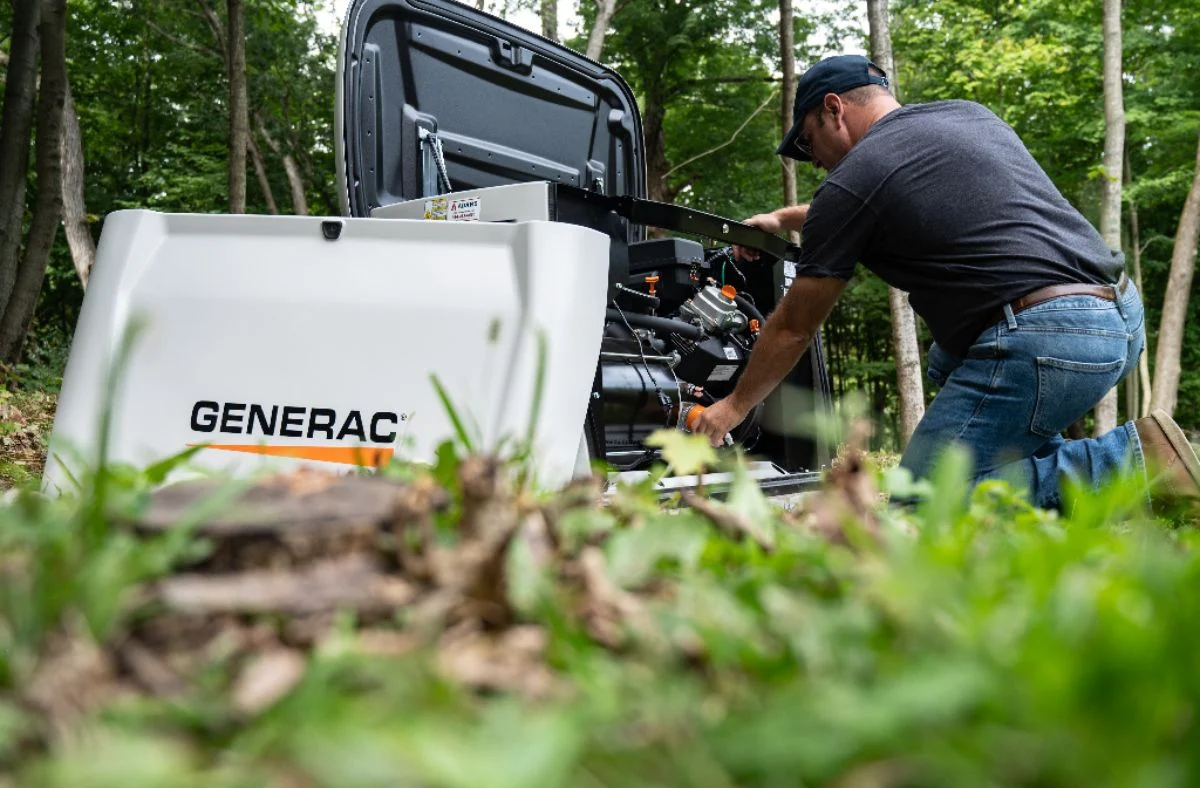
MSH Power provides whole-home generator service to protect homeowners from power surges in Marble Falls and the Texas Hill Country.

Why Small Generator Problems Should Never Be Ignored

Many homeowners assume their standby generator is working properly simply because it hasn’t displayed an obvious problem. Unfortunately, that’s often not the case.

A generator may continue operating while developing issues involving the battery, electrical system, fuel delivery, controller, transfer switch, or engine. Left untreated, those problems often become much larger—and much more expensive.

Even worse, many homeowners don’t discover there’s a problem until the power goes out.

Professional diagnostics help identify minor concerns before they leave your home without backup power during the next severe storm.

Perhaps the most obvious sign your standby generator needs professional attention is when it refuses to start.

Several issues could be responsible, including:

  • Weak or failed batteries
  • Fuel delivery problems
  • Faulty starter components
  • Controller failures
  • Dirty filters
  • Electrical issues

Rather than guessing which component has failed, experienced technicians can quickly diagnose the root cause and restore dependable operation.

Most modern standby generators automatically perform weekly self-tests to verify they’re ready for the next outage.

If your generator:

  • Stops during the exercise cycle
  • Displays an error message
  • Starts roughly
  • Runs inconsistently
  • Doesn’t complete the test

It’s time for a professional inspection.

These weekly exercises are designed to identify developing problems before they’re needed during an emergency. Ignoring failed self-tests often leads to larger repairs later.

Today’s standby generators are equipped with sophisticated controllers that monitor nearly every aspect of system performance.

Warning lights may indicate issues involving:

  • Low battery voltage
  • Low oil pressure
  • High engine temperature
  • Sensor failures
  • Fuel system problems
  • Transfer switch communication
  • Charging system faults

While some alerts are relatively minor, others can prevent your generator from operating altogether. A certified technician can interpret these codes and perform the necessary repairs before they affect system reliability.

Standby generators naturally produce engine noise while operating.

What they shouldn’t produce are:

  • Loud knocking
  • Grinding sounds
  • Metallic rattles
  • Squealing belts
  • Excessive vibration
  • Sudden changes in engine sound

These symptoms may point to worn bearings, loose components, engine problems, cooling issues, or internal mechanical damage.

Addressing these issues early is almost always less expensive than waiting until components fail completely.

If you notice unusual smells near your generator, don’t ignore them.

Potential warning signs include:

  • Natural gas odors
  • Propane smells
  • Oil leaks
  • Burning insulation
  • Electrical burning odors

These issues can indicate leaking fuel lines, failing electrical components, overheating parts, or damaged seals.

Because standby generators connect directly to your home’s fuel and electrical systems, these repairs should always be handled by qualified professionals.

Starting is only half the job.

Your standby generator also needs to produce clean, consistent electricity that safely powers your home.

If you notice:

  • Flickering lights
  • Appliances cycling on and off
  • Power interruptions
  • Electronics behaving unexpectedly
  • Generator output fluctuating

The problem could involve the alternator, voltage regulator, controller, transfer switch, or other electrical components.

Professional testing helps verify that your generator can meet your home’s electrical demands before the next outage.

After utility power returns, your standby generator should safely transfer power back to the electrical grid and shut down after its programmed cool-down cycle.

If it continues running unnecessarily—or cycles on and off repeatedly—it may indicate problems involving:

  • Automatic transfer switches
  • Electrical controls
  • Sensors
  • Communication wiring
  • Controller programming

These systems work together to protect both your home and your generator, making proper diagnostics especially important.

Texas weather can be hard on outdoor equipment.

Over time, severe storms, intense sunlight, humidity, hail, and debris may damage your standby generator’s enclosure or internal components.

Look for:

  • Rust
  • Corrosion
  • Damaged wiring
  • Bent panels
  • Water intrusion
  • Animal nests
  • Loose electrical connections

Routine inspections help catch these problems before they affect generator performance.

One of the biggest mistakes homeowners make is assuming their standby generator doesn’t need maintenance because it rarely runs.

In reality, generators require routine service even if they’ve only completed automatic exercise cycles.

Annual maintenance typically includes:

  • Oil changes
  • Filter replacement
  • Battery testing
  • Fuel system inspection
  • Electrical diagnostics
  • Controller updates
  • Load testing
  • Complete visual inspection

Skipping routine maintenance significantly increases the likelihood of unexpected repairs later.

Age alone doesn’t mean it’s time to replace your generator.

Many standby generators continue operating reliably for years with proper maintenance.

However, older generators deserve closer attention because components naturally wear over time.

Professional inspections can determine whether repairs make financial sense or whether replacement would provide greater long-term value.

Restore Confidence in Your Backup Power

From diagnostics to repairs, MSH Power helps keep your standby generator running when you need it most.

Repair or Replace?

One of the most common questions homeowners ask is whether repairing an older generator is worthwhile.

The answer depends on several factors, including:

  • Age of the generator
  • Overall condition
  • Repair costs
  • Parts availability
  • Maintenance history
  • Reliability expectations

An experienced technician can help evaluate your system and explain whether repairing your existing generator or upgrading to a newer model makes the most sense.

For many homeowners throughout the Texas Hill Country, upgrading to a Briggs & Stratton PowerProtect™ standby generator offers improved efficiency, greater natural gas performance with NGMax™ Technology, a commercial-grade Vanguard® engine, and an industry-leading Limited Warranty.
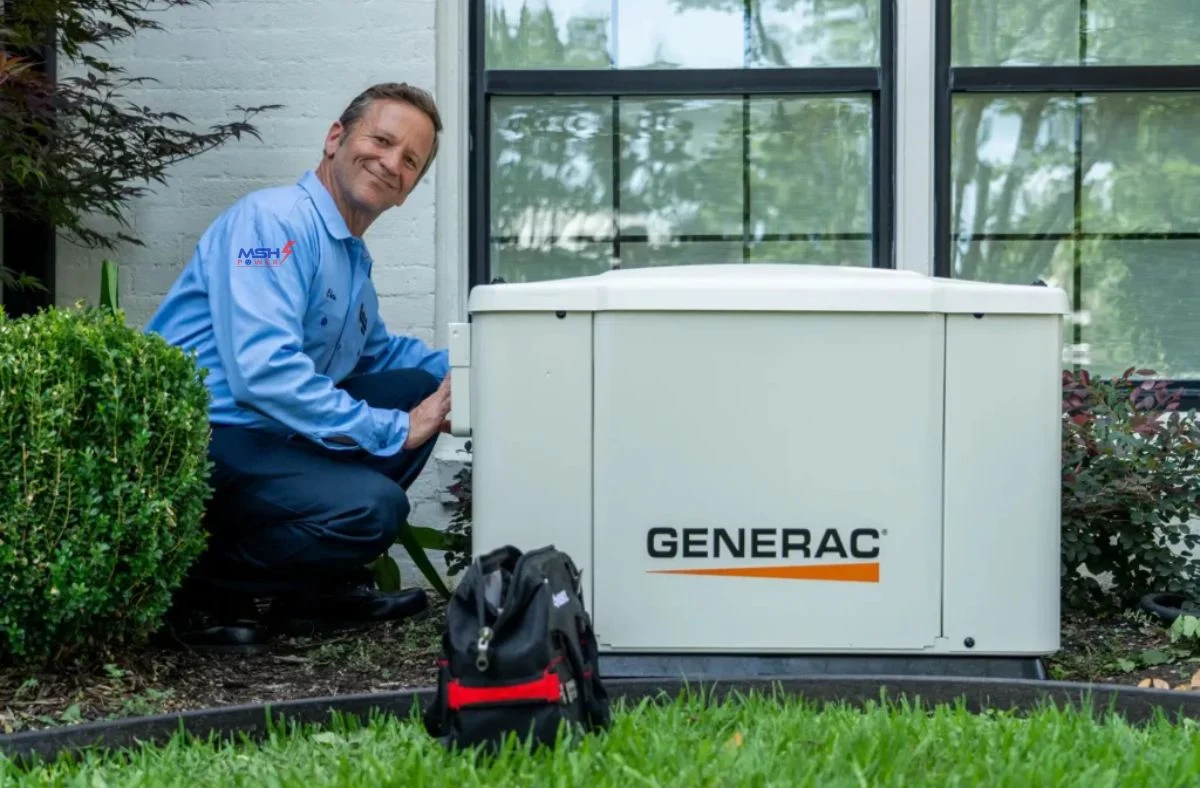
Generator repair and preventative maintenance performed by MSH Power to keep standby generators operating reliably throughout the Texas Hill Country.

Why Professional Generator Repairs Matter

Modern standby generators are sophisticated electrical and mechanical systems that integrate directly with your home’s electrical panel, fuel supply, and automatic transfer switch.

Attempting DIY repairs can:

  • Void warranties
  • Damage expensive components
  • Create electrical hazards
  • Affect fuel system safety
  • Lead to unreliable performance during outages

Working with experienced generator technicians provides peace of mind that every repair is completed safely and correctly.

Whether you own a Briggs & Stratton, Generac, KOHLER, or Cummins standby generator, professional diagnostics help restore dependable backup power while protecting your investment.

The Bottom Line: Call MSH Power for Generator Repairs!

Your standby generator is designed to provide dependable backup power when your home needs it most—but like any engine-powered system, it can develop problems over time. Paying attention to warning lights, unusual noises, startup issues, fuel odors, or inconsistent performance can help you address small repairs before they become costly failures during the next power outage.

Preventive maintenance and prompt repairs don’t just extend the life of your generator—they help protect your family, your home, and your peace of mind when severe weather rolls through the Texas Hill Country.

If you’ve noticed any of these warning signs, don’t wait for the next outage to discover something is wrong.

Schedule a professional generator inspection with an experienced technician who can diagnose the issue, recommend the right solution, and help keep your standby generator ready for whatever comes next.