Your standby generator is designed to sit quietly in the background until you need it most. Whether severe thunderstorms, lightning, high winds, or an unexpected utility outage leaves your neighborhood without electricity, your generator should start automatically and keep your home or business running.

Unfortunately, that doesn’t always happen.

Many standby generator failures aren’t caused by defective equipment—they’re caused by skipped maintenance. Like your vehicle, HVAC system, or any engine-powered equipment, your generator requires routine service to continue operating safely and reliably.

Whether you own a Briggs & Stratton, Generac, or KOHLER standby generator, preventative maintenance plays a critical role in protecting your investment and avoiding unexpected repairs. Homeowners throughout Llano, San Saba, Burnet, Mason, Kendall, Lampasas Counties and throughout the Texas Hill Country often discover maintenance problems only after the power has already gone out.

The good news? Most generator failures can be prevented.
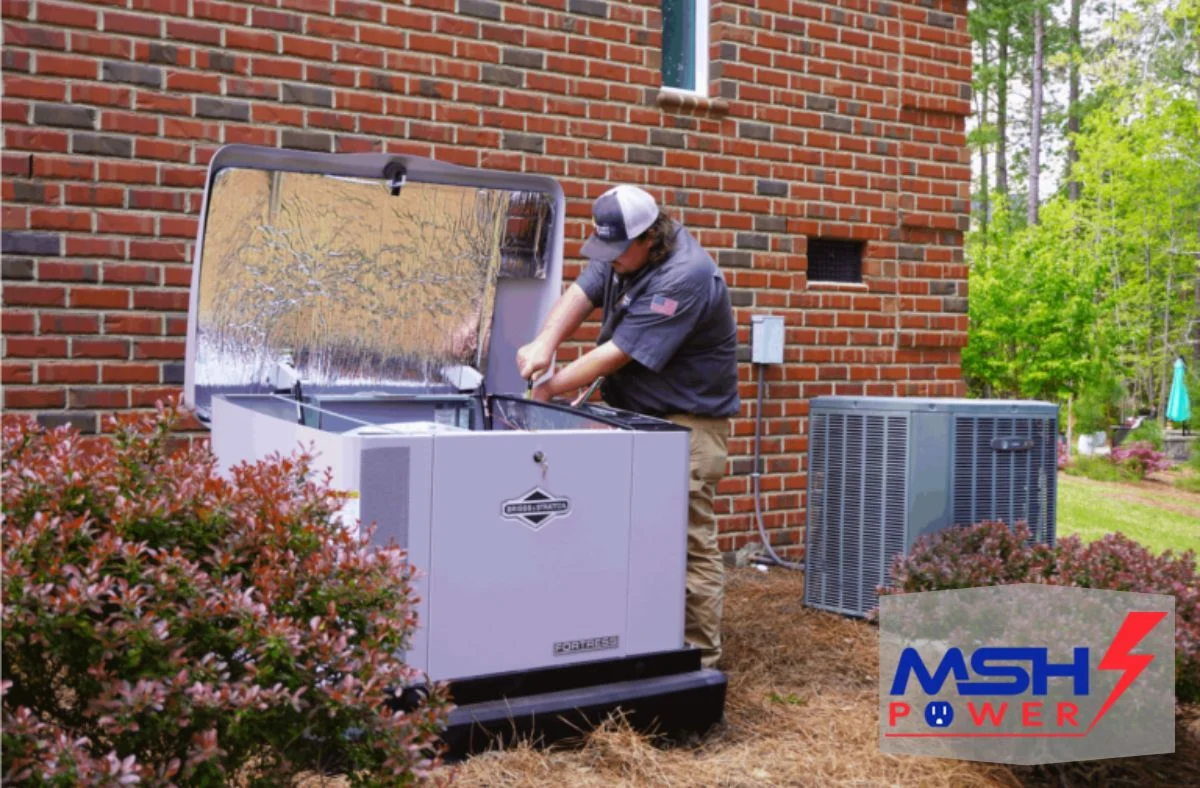
Stay Ready for Every Texas Storm

Keep your Briggs, Generac, or KOHLER generator running reliably with expert maintenance from MSH Power.

MSH Power explains common generator maintenance mistakes that reduce efficiency and helps extend generator life for homeowners throughout Fredericksburg and Kerrville.

The Biggest Maintenance Mistakes Homeowners Make

Generator maintenance involves much more than changing the oil once a year. Your standby generator is a sophisticated backup power system with an engine, battery, controller, fuel system, cooling system, electrical connections, sensors, and an automatic transfer switch—all working together to restore power within seconds of an outage.

Ignoring routine service allows minor issues to grow into expensive repairs and increases the chances your generator won’t perform when you need it most. Here are seven of the most common maintenance mistakes homeowners make—and how to avoid them.

This is by far the most common mistake.

Many homeowners assume that because their standby generator rarely runs, it doesn’t require routine service. In reality, standby generators should be professionally inspected and maintained at least once a year—or more frequently depending on usage and manufacturer recommendations.

Professional maintenance typically includes:

  • Oil and filter changes
  • Battery testing
  • Fuel system inspections
  • Controller diagnostics
  • Air filter replacement
  • Electrical connection inspections
  • Coolant checks (when applicable)
  • Load testing

Annual maintenance helps identify worn components before they require emergency repairs, keeping your generator ready for the next outage.

Most modern Briggs & Stratton, Generac, and KOHLER standby generators automatically perform weekly exercise cycles.

These self-tests aren’t just there to start the engine—they’re designed to verify your generator is operating correctly.

If your generator:

  • Displays an error message
  • Stops during its exercise cycle
  • Starts roughly
  • Produces unusual sounds
  • Doesn’t complete its weekly test

Don’t ignore it.

Many homeowners dismiss these alerts because the power hasn’t gone out yet. Unfortunately, those same issues often prevent the generator from operating when it’s actually needed.

Think of your weekly exercise cycle as an early warning system.

One of the simplest components is also one of the most overlooked.

Your standby generator depends on its battery every time it starts. Over time, batteries naturally lose capacity, terminals corrode, and charging systems wear.

A weak battery may still allow your generator to complete a weekly exercise but fail during an extended outage or after sitting unused for months.

Routine battery inspections and testing help identify problems before they leave your generator unable to start.

Battery replacement is relatively inexpensive compared to the inconvenience of discovering that your generator won’t start during a storm.

Engine oil protects the internal components of your standby generator by reducing friction and dissipating heat.

Over time, oil breaks down while filters collect dirt, debris, and other contaminants.

Delaying oil changes can lead to:

  • Increased engine wear
  • Higher operating temperatures
  • Reduced performance
  • Shorter engine life
  • Expensive repairs

Whether your standby generator has accumulated running hours during outages or has only completed weekly exercise cycles, following the manufacturer’s maintenance schedule remains one of the best ways to protect your investment.

Many generator problems begin as relatively minor issues.

Perhaps your generator starts a little slower than usual. Maybe you’ve noticed an occasional warning light. Or there’s a small oil leak or an unfamiliar vibration.

These seemingly minor concerns rarely improve on their own.

Addressing small repairs early often prevents:

  • Controller failures
  • Engine damage
  • Transfer switch issues
  • Fuel system problems
  • Larger repair bills

Waiting until your generator completely fails usually results in longer downtime and more expensive repairs.

Starting is only half the job.

Your standby generator also needs to produce clean, consistent electricity that safely powers your home.

If you notice:

  • Flickering lights
  • Appliances cycling on and off
  • Power interruptions
  • Electronics behaving unexpectedly
  • Generator output fluctuating

The problem could involve the alternator, voltage regulator, controller, transfer switch, or other electrical components.

Professional testing helps verify that your generator can meet your home’s electrical demands before the next outage.

Just because your generator starts doesn’t mean it can power your home.

Load testing verifies your standby generator can safely carry your home’s electrical demands during an actual outage.

During a professional load test, technicians evaluate:

  • Voltage output
  • Frequency
  • Engine performance
  • Transfer switch operation
  • Overall system reliability

This type of testing provides confidence that your generator won’t fail under real-world conditions when your family depends on it most.

Texas weather can be hard on outdoor equipment.

Over time, severe storms, intense sunlight, humidity, hail, and debris may damage your standby generator’s enclosure or internal components.

Look for:

  • Rust
  • Corrosion
  • Damaged wiring
  • Bent panels
  • Water intrusion
  • Animal nests
  • Loose electrical connections

Routine inspections help catch these problems before they affect generator performance.

One of the biggest mistakes homeowners make is assuming their standby generator doesn’t need maintenance because it rarely runs.

In reality, generators require routine service even if they’ve only completed automatic exercise cycles.

Annual maintenance typically includes:

  • Oil changes
  • Filter replacement
  • Battery testing
  • Fuel system inspection
  • Electrical diagnostics
  • Controller updates
  • Load testing
  • Complete visual inspection

Skipping routine maintenance significantly increases the likelihood of unexpected repairs later.

Age alone doesn’t mean it’s time to replace your generator.

Many standby generators continue operating reliably for years with proper maintenance.

However, older generators deserve closer attention because components naturally wear over time.

Professional inspections can determine whether repairs make financial sense or whether replacement would provide greater long-term value.

Protect Your Backup Power Investment

Schedule professional generator maintenance before small issues become costly repairs or unexpected outages.

Why Professional Generator Maintenance Matters

Today’s standby generators are far more advanced than many homeowners realize.

Backup generators from Briggs & Stratton, Generac, and KOHLER include sophisticated controllers, electronic monitoring systems, automatic transfer switches, fuel management components, and numerous built-in safety features.

Professional and certified technicians, like MSH Power, have the equipment and training to properly inspect, diagnose, and service these systems in accordance with manufacturer recommendations.

Periodic, seasonal, or even annual maintenance also helps preserve warranty coverage, maximize system lifespan, and improve overall reliability.

Whether your generator protects a lake home in Spicewood, a ranch near Fredericksburg, a family home in Kerrville, or a business in Llano, San Saba, Burnet, Mason, Kendall, or Lampasas Counties, preventative maintenance is one of the smartest investments you can make.
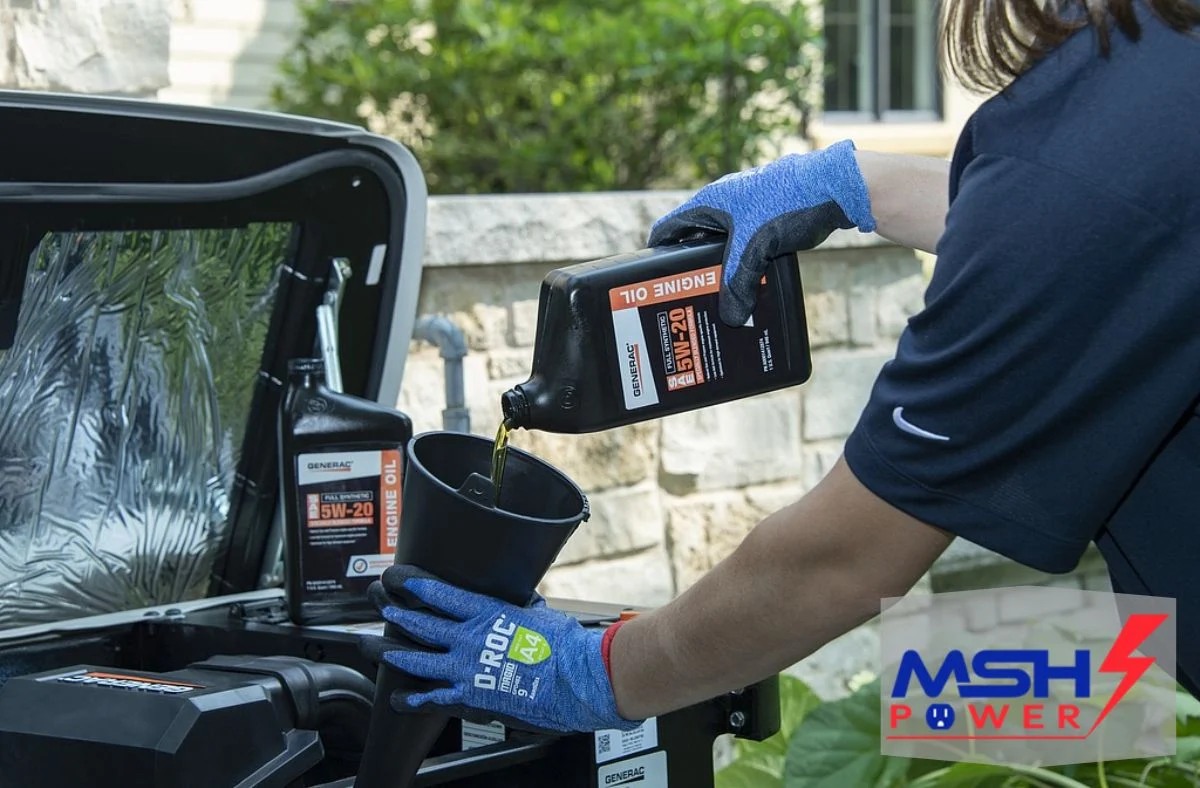
Preventive maintenance on a home standby generator performed by MSH Power's certified technicians to ensure reliable backup power across Llano and Burnet Counties.

Maintenance Costs Less Than Emergency Repairs

Many homeowners postpone generator maintenance because the system appears to be operating normally.

However, preventative maintenance is almost always less expensive than emergency repairs.

Routine inspections help catch:

  • Weak batteries
  • Dirty filters
  • Loose electrical connections
  • Fuel delivery issues
  • Controller faults
  • Worn engine components

Before they develop into larger, more expensive problems.

Instead of reacting after your generator fails, preventative maintenance helps keep your backup power system dependable year after year.

A Little Maintenance Goes a Long Way

No one wants to discover a problem with their standby generator when the lights go out. A little preventative maintenance today can help you avoid costly repairs, unexpected downtime, and the stress of being without backup power during the next Texas Hill Country storm.

Keep Your Generator Ready When It Matters Most

Whether you own a Briggs & Stratton, Generac, or KOHLER standby generator, MSH Power provides professional maintenance, diagnostics, and repairs to keep your backup power system performing at its best.

Schedule your generator maintenance today and let our experienced team help protect your home, your investment, and your peace of mind before the next outage arrives.